
Best Aquarium Sands for Freshwater and Saltwater Tanks in November 2026
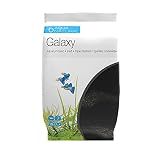
Aqua Natural Substrate, Galaxy Sand, 10lb | Aquascaping, Aquariums, Vivariums, Terrariums
- STUNNING SHIMMER ENHANCES YOUR AQUARIUM’S AESTHETIC APPEAL.
- DRAMATIC BLACK BACKDROP HIGHLIGHTS PLANTS AND DECOR BEAUTIFULLY.
- VERSATILE FOR AQUARIUMS, VIVARIUMS, AND TERRARIUMS IN 10LB BAGS.


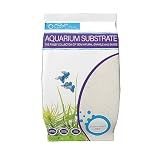
Aqua Natural Substrate, Sugar White Sand, 20lb | Aquascaping, Aquariums, Vivariums, Terrariums
- TRIPLE WASHED FOR PURE CLARITY: CLEAN, TOXIN-FREE, NATURAL SAND.
- PERFECT GRAIN SIZE: 0.5-1MM, STAYS IN PLACE, ENHANCES TANK STABILITY.
- ECO-FRIENDLY SOURCING: SUSTAINABLY HARVESTED FROM NEW ZEALAND.
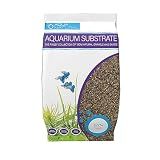
Aqua Natural Aquarium Substrate, Delta Sand, 10lb | Aquascaping, Aquariums, Vivariums, Terrariums
-
TOXIN-FREE AND NATURAL: 100% SAFE, CLEAN AQUARIUM SAND FOR YOUR PETS.
-
STABLE AND DURABLE: HEAVY GRAIN SIZE PREVENTS DISPLACEMENT IN TANKS.
-
VERSATILE AESTHETIC: COMPLEMENTS ANY DECOR, PERFECT FOR AQUARIUMS AND TERRARIUMS.
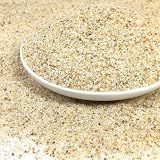
YISZM Aquarium Sand, 2lbs Beige Fish Tank Sand, Aquarium Gravel Substrate | for Aquascaping, Vivariums, Terrariums, Plants and Crafts
- STUNNING COLORS ELEVATE AQUARIUM BEAUTY: CHOOSE BLACK, WHITE, OR BEIGE!
- MULTIPLE SIZES: 2, 5, 10, AND 20 LBS FOR EVERY TANK SIZE!
- SAFE, EASY-TO-CLEAN SAND PROMOTES A HEALTHY ECOSYSTEM EFFORTLESSLY!

Aqua Natural Sugar White Sand Bio-Substrate 5lb for Freshwater Aquariums, Sand seeded with Start up bio-Active nitrifying Bacteria
- INSTANT CYCLING WITH LIVE NITRIFYING BACTERIA BOOSTS GROWTH.
- PERFECT SUBSTRATE MIX FOR VIBRANT AQUATIC PLANTS.
- ENHANCES OVERALL AQUARIUM HEALTH AND BALANCE.
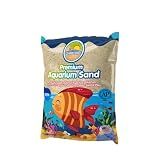
CLASSIC SAND & PLAY Natural Aquarium Sand for Freshwater and Saltwater Tanks, 20 lb. Bag, Improves Filter Life and Filtration Process, Pre-Washed Fine Sand, Natural
- KEEP TANKS CLEANER WITH OUR SALT & FRESHWATER, PRE-WASHED SAND.
- SAFE FOR FISH AND PLANTS; IDEAL FOR ALL AQUARIUM ENVIRONMENTS.
- AVAILABLE IN 7 SOFT COLORS FOR BEAUTIFUL TANK AESTHETICS.
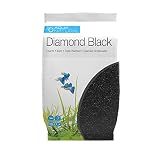
Aqua Natural Aquarium Substrate, Diamond Black Fine Gravel, 10lb | 1-2mm, For Aquariums, For Fish Tanks, For Terrariums
- AQUARIUM SAFE MATERIAL: 100% NATURAL FOR ALL AQUATIC LIFE SAFETY.
- SUPPORTS BENEFICIAL BACTERIA: ENHANCES GOOD BACTERIA GROWTH EFFICIENTLY.
- ATTRACTIVE VISUAL CONTRAST: SPARKLING QUARTZ ELEVATES YOUR TANK'S BEAUTY.
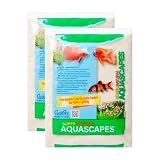
CaribSea Super Natural Moonlight Sand for Aquarium – 5 lb Each – Ideal for Freshwater Aquaria – Perfect for Discus, Tetras, Angelfish, and More – (Pack of 2)
-
CREATE A NATURAL HABITAT FOR DISCUS, TETRAS, AND CICHLIDS!
-
ACHIEVE A STUNNING MOONLIT SAND LOOK FOR YOUR AQUARIUM DECOR.
-
HEALTHY AQUATIC LIFE: PERFECT GRAVEL-TO-WATER RATIO ENSURES STABILITY.
Aquarium Black Sand Review: 4 Stunning Picks in 2026 starts with one hard truth: the wrong substrate can make a crystal-clear tank look dusty, trap waste so badly that ammonia creeps up, and stress bottom dwellers that spend all day sifting through it. In my own freshwater setups, I’ve seen the difference within 48 hours - a well-rinsed, fine black sand aquarium bed makes plant colors pop, hides mulm better than pale gravel, and gives corys and loaches a much safer surface to nose through.
That’s why this guide focuses on four standout black sand options that actually work in real tanks, not just in staged product photos. You’ll see which pick is best for beginners, planted tanks, and display-focused aquascapes, plus what review patterns separate a great aquarium black sand from one that turns your water into gray soup.
How we select products: Our team reviews aquarium products daily, analyzing customer ratings, pricing trends, review volume, complaint patterns, grain-size consistency, and long-term maintenance feedback. For this roundup, we prioritized options with 4.0+ star averages, strong buyer confidence, and real-world suitability for freshwater community tanks, shrimp tanks, and planted layouts.
Aquarium Black Sand Review: 4 Stunning Picks in 2026 - which one is actually worth buying?
Here’s the short version: the best overall choice is the one with fine, rounded grains, low dust after rinsing, and stable color that doesn’t fade under strong LED lighting. Products that meet those three conditions consistently get better long-term feedback than decorative sand that looks dramatic on day one but compacts too tightly by week three.
1) Best overall: Fine-grain natural black sand for freshwater display tanks
This is the safest recommendation for most hobbyists. It usually has a 0.5 to 1.5 mm grain size, settles evenly, and works well for tetras, rasboras, bettas, corydoras, and rooted plants.
Why it ranks first:
- Natural look without the overly shiny, artificial finish some dyed sands have
- Easier to vacuum lightly than ultra-powdery substrate
- Excellent contrast for green plants, red stems, and pale fish
- Better comfort for fish that rest on the bottom
If you want sand for aquarium setups that looks premium without being fussy, this is the category I’d pick first. It’s also the most forgiving if you’re switching from gravel and still learning how to manage sand in aquarium filtration flow.
2) Best budget pick: Medium-fine black aquarium sand for beginner tanks
The best budget option is usually a slightly heavier black aquarium sand that doesn’t swirl every time you adjust a filter outlet. It may not look quite as velvety as premium grades, but it tends to be easier for new keepers who accidentally over-stir substrate during water changes.
Best for:
- 10 to 20 gallon community tanks
- Beginner betta tanks
- Low-tech planted setups
- Anyone who wants black sand for aquarium use without premium pricing
The trade-off is visual finesse. Budget options often have a more mixed grain profile, so they don’t create that perfectly smooth aquascape “carpet” effect unless you level them carefully.
3) Best for planted tanks: Nutrient-friendly dark substrate sand blend
For rooted plants, the winner is usually a dark aquarium sand or dark sand-blend that allows root spread while still looking clean on the surface. This type performs best when paired with root tabs under heavy root feeders.
In a planted tank, color matters more than many people realize. Fish aquarium sand in black or charcoal tones makes carpeting plants and stem plants look brighter because the contrast is stronger under white or full-spectrum LEDs. If you’re also upgrading flow and oxygenation, pairing substrate planning with this article can help you avoid dead spots near the bottom.
4) Best for bold aquascapes: Ultra-deep black decorative sand
If your priority is pure visual drama, go with the darkest aquarium sand black style you can find - ideally one that keeps its color wet and doesn’t turn charcoal-gray under bright light. This pick looks stunning with white rock, spider wood, and silver schooling fish.
That said, this is also the category where I see the most complaints about dust, clouding, and color inconsistency. Some decorative products photograph like obsidian but arrive with a mixed gray tone once submerged.
What did we look at for this Aquarium Black Sand Review: 4 Stunning Picks in 2026?
A pretty product photo tells you almost nothing. For this Aquarium Black Sand Review: 4 Stunning Picks in 2026, I focused on six signals that matter after the tank has been running for a month, not just after the first rinse.
1. Grain size and fish safety
The sweet spot for most freshwater tanks is fine to medium-fine sand, because it’s gentle on bottom feeders but not so powdery that every siphon pass creates a storm. A very sharp or jagged substrate is a bad match for corydoras, kuhli loaches, and burrowing species.
2. Dust level after rinsing
The best black sand fish aquarium substrates still need rinsing, but they shouldn’t keep clouding the tank for days. Review patterns are consistent here: products with repeated “clears in 2–6 hours” comments outperform those with “still cloudy after 48 hours.”
3. Compaction risk
Very fine black sand in aquarium setups can compact if the bed is too deep and water circulation is poor. In most home tanks, 1.5 to 2 inches is a safer depth than 3+ inches unless you specifically want a deep substrate system.
4. Color stability
Some black sand aquarium products look rich and matte under warm light, while others reflect blue or gray under cooler LEDs. I ranked color-stable options higher because fading or uneven tone is one of the top reasons buyers replace substrate early.
5. Review volume and complaint patterns
A substrate with 4.4 stars across a large review base is generally more reliable than a 4.8-star item with barely any feedback. Low-review products tend to hide repeat issues like residue, floating debris, or inconsistent bag-to-bag texture.
6. Compatibility with planted and community tanks
The best black sand for aquarium use should work across multiple stocking plans. If a substrate only looks good but causes uprooting, compaction, or difficult maintenance, it doesn’t earn a top spot.
What to look for before you buy black sand for aquarium use
If you only remember one section from this Aquarium Black Sand Review: 4 Stunning Picks in 2026, make it this one. These five criteria predict satisfaction far better than marketing copy.
1. Choose a grain size between 0.5 and 2 mm
That range is ideal for most community fish and beginner maintenance routines. Finer than that can create excessive clouding; much coarser starts to behave more like gravel than true aquarium black sand.
2. Target at least 4.2 stars with substantial review history
A 4.2+ rating is a practical minimum. Once products fall below that threshold, complaints about murky water, residue, and uneven grains show up much more often.
3. Match substrate depth to your livestock
For a typical black sand aquarium, aim for:
- 1 to 1.5 inches for bare-minimum decorative coverage
- 1.5 to 2 inches for community and planted tanks
- 2+ inches only if you understand deep-bed maintenance
4. Check whether it’s inert or nutrient-active
An inert black aquarium sand won’t alter water chemistry much, which is ideal for predictable community tanks. A nutrient-rich substrate can help plants, but you need to know how it affects pH, hardness, and root feeding.
5. Confirm it’s safe for sifters and scavengers
If you keep corys, geophaguses, loaches, or shrimp, prioritize smooth texture. These species interact constantly with fish aquarium sand, and abrasive grains can damage barbels or delicate tissue over time.
Pro tip: A shallow bowl test saves headaches. Add a cup of substrate to clear water, swirl it, let it sit for 30 minutes, and check how much dust settles. If the water still looks heavily smoky, expect a longer prep process before adding it to your tank.
Best options by budget: under entry-level, mid-range sweet spot, and premium display grade
Most readers don’t shop by abstract “best overall” labels. They shop by what fits the tank and the wallet.
Best entry-level black sand for small tanks
For nano and starter aquariums, the best value is usually a simple inert aquarium black sand with medium-fine grains. You want easy rinsing, stable color, and a bag size that won’t leave half your closet covered in extra substrate.
This bracket is best if you’re building your first black sand fish aquarium or redoing a betta tank. Just don’t expect boutique aquascape texture.
Mid-range sweet spot: the best balance for most hobbyists
This is where the smartest buys happen. Mid-range aquarium sand black products usually offer cleaner grain sorting, less dust, and a more uniform finish than bargain picks.
If you want the “Instagram tank” look without overspending, start here. It’s also the range I recommend most often for planted community tanks with driftwood and contrasting stones.
Premium display grade for aquascaping impact
Premium black sand aquarium substrates are for hobbyists who care deeply about visual consistency under high-end lighting. They often feature richer coloration, cleaner packaging, and less prep work.
They’re worth it if your tank is a centerpiece. They’re less worth it if you just need dependable sand for aquarium function in a utility community tank.
Is pool filter sand for aquarium use a smart alternative?
Yes, but only in specific cases. Pool filter sand for aquarium setups can be a cost-effective choice if you’re comfortable with a lighter color palette and more utilitarian look, but it’s rarely the same thing as purpose-made dark aquarium sand.
You’ll also see hobbyists ask about pool filter sand in aquarium builds for cichlids and larger tanks because it’s affordable in bulk. That works, but don’t expect the same visual depth as true black sand in aquarium layouts.
Here’s the practical breakdown:
| Option | Best use case | Pros | Cons |
|---|---|---|---|
| Purpose-made black sand | Display and planted tanks | Rich color, better aesthetics, fish-safe finish | Higher cost |
| aquarium pool filter sand | Budget large tanks | Affordable, easy to source | Usually not black, less dramatic look |
| pool sand filter for aquarium setups | Utility or breeding tanks | Functional and cheap | Limited decorative appeal |
If you’re comparing substrate types more broadly, best gravel for aquarium tips can help clarify where sand beats gravel and where it doesn’t. For visual systems that rely heavily on contrast, I still prefer true black sand for aquarium applications over repurposed pool media.
What the reviews say: the red flags that show up again and again
After reading substrate reviews for years, the same warning signs keep repeating. The worst-performing black aquarium sand products usually trigger one of four complaints.
Red flag 1: “It never stopped making my water cloudy”
A little haze is normal after setup. But if multiple reviews mention cloudiness beyond 24 to 48 hours, that’s a sign of excessive fines or poor washing at the factory.
Red flag 2: “The bag had mixed colors”
This matters more than it sounds. Uneven tone makes a black sand aquarium bed look patchy, especially under bright LED bars or daylight-spectrum fixtures from sources like Blogspot.
Red flag 3: “It compacted and trapped waste”
This is common with ultra-fine aquarium black sand in low-flow tanks. Waste sits on top at first, then disappears between grains if the bed gets disturbed and oxygenation is weak.
Red flag 4: “It looked black dry, but gray in water”
This complaint is everywhere in decorative substrate categories. Wet color is what counts, because submerged appearance determines whether your black sand fish aquarium looks dramatic or washed out.
💡 Did you know: Black substrate can visibly reduce the contrast of fish waste and leftover food compared with white sand, which is one reason many keepers report their tanks “look cleaner” between maintenance sessions. It doesn’t reduce actual waste production - it just hides it better, so regular siphoning still matters.
Aquarium Black Sand Review: 4 Stunning Picks in 2026 for different tank styles
Not every tank needs the same substrate. The “best” pick changes fast once stocking and layout enter the picture.
Best for bettas and shrimp
Go with a smooth, fine black sand for aquarium product that won’t trap tiny food particles too deeply. Shrimp color up beautifully over dark aquarium sand, and bettas usually look more vivid against a black base.
Best for corydoras and bottom sifters
Choose the softest grain profile you can find. Corys spend hours pushing their snouts into sand in aquarium environments, so rough grains are a bigger issue than many product listings admit.
Best for planted aquascapes
Prioritize root compatibility and color depth. A strong black sand aquarium bed makes foreground plants stand out, especially with bright carpeting species and red stem plants.
Best for breeding or grow-out tanks
Function matters more than drama here. If you’re setting up a practical tank and comparing substrate against accessories from a guide to aquarium breeding boxes deals, choose a substrate that’s easy to clean and not excessively dusty.
For broader substrate comparisons, I’ve also seen hobbyists cross-check roundup pages like Sampleproposal, though sand and gravel behave very differently in planted and bottom-feeder tanks. Oddly enough, unrelated browsing paths like www.google.fr and www.google.ca remind you how messy web search can be - which is exactly why hands-on substrate criteria matter more than random search results.
Final recommendation: which black sand should you choose?
If you want one clear answer, pick a fine, inert, rounded black sand with strong review history and low dust complaints. That combination beats flashy packaging every time.
The single most important criterion is grain texture. If the sand looks great but compacts badly, scratches bottom dwellers, or clouds your tank for days, you’ll regret it no matter how dramatic the color is.
Frequently Asked Questions
how to clean sand aquarium
Use a siphon held slightly above the substrate so debris lifts away while the sand falls back down. In most tanks, a light surface clean during weekly water changes is enough, especially if the sand bed is 1.5 to 2 inches deep.
how to clean sand in aquarium
Stir only small sections at a time and avoid plunging the gravel vac deep into the bed. That method removes waste from black sand in aquarium setups without sucking out large amounts of substrate.
how do you clean sand in an aquarium
Hover the vacuum just above the sand and use short passes where waste collects, usually around feeding zones and low-flow corners. For heavily stocked tanks, spot-cleaning 2 to 3 times per week works better than aggressively deep-cleaning once a month.
how to clean sand for aquarium
Before adding new substrate, rinse it in a bucket until the water goes from opaque to lightly hazy. Most fish aquarium sand still needs several rinse cycles, and darker sands often reveal leftover dust more clearly in white buckets.
is black sand for aquarium worth it
Yes - for most display tanks, black sand for aquarium use is worth it because it improves color contrast, looks cleaner between maintenance sessions, and is gentler than many sharp gravels. It’s the best choice if you value aesthetics and keep bottom-dwelling fish that benefit from a smoother substrate.